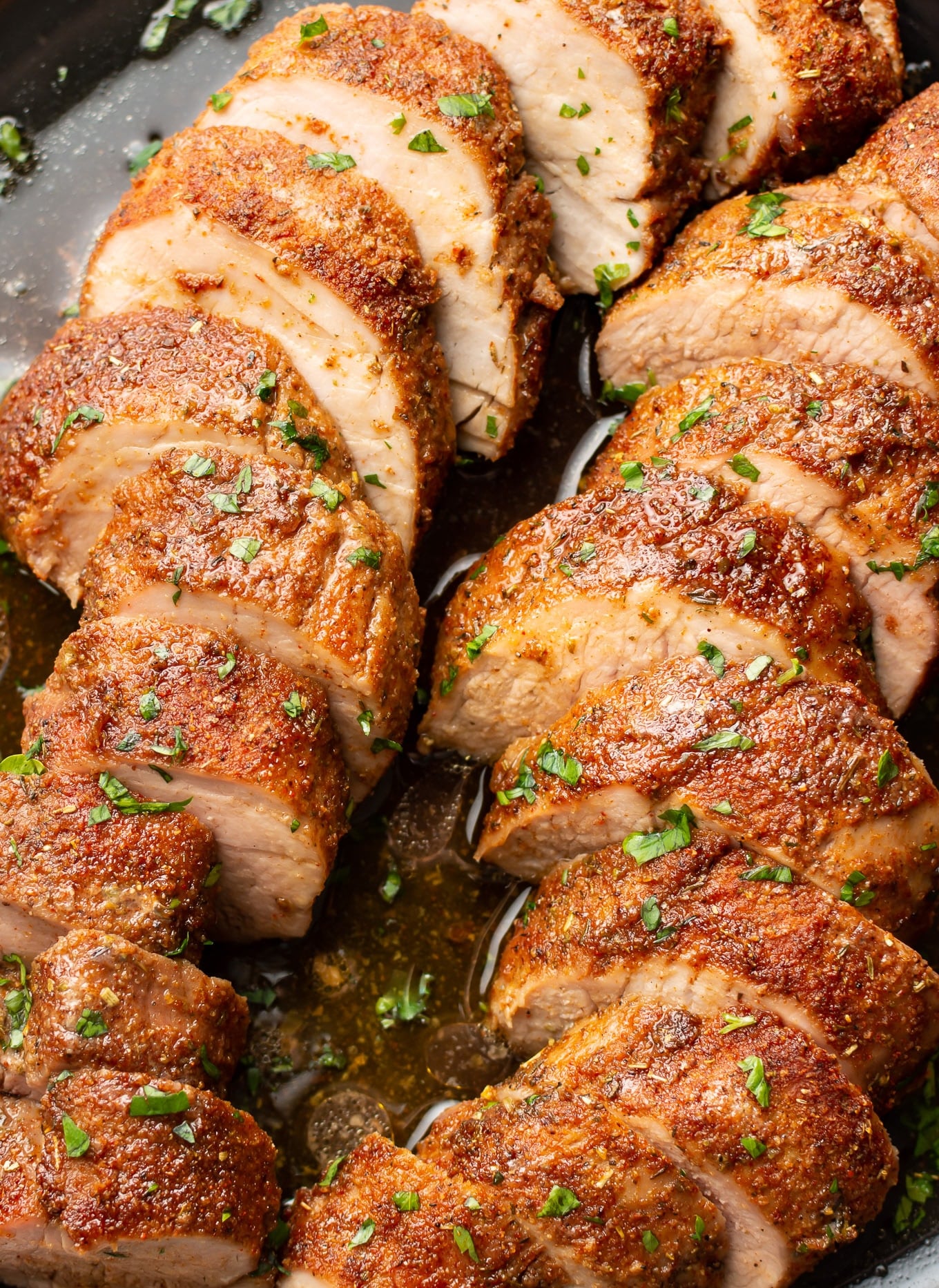
Easy Baked Pork Tenderloin: Tender, Juicy & Under 30 Mins
Unlock the secret to a stress-free weeknight dinner that’s both incredibly delicious and impressively quick. Baked pork tenderloin is a true culinary game-changer, transforming from a simple cut of meat into a tender, juicy, and flavor-packed centerpiece in less than 30 minutes. Forget dry, overcooked pork; with our perfected method, you’ll achieve restaurant-quality results every single time, making it an instant family favorite. This lean, versatile cut is not only kind to your waistline but also incredibly adaptable, soaking up flavors from simple spice rubs to rich sauces. Get ready to elevate your dinner rotation with this effortless and satisfying dish.
Why Pork Tenderloin is Your Weeknight Hero
Pork tenderloin stands out as one of the most beloved cuts among home cooks and chefs alike, and for good reason. Its mild flavor, delicate texture, and inherent leanness make it incredibly versatile and a perfect canvas for a myriad of seasonings. Whether you're aiming for a quick roast, a savory stir-fry, or elegant medallions, this cut delivers.
Beyond its culinary adaptability, pork tenderloin boasts an impressive nutritional profile. Many are surprised to learn that this cut is significantly leaner than most chicken thighs, containing only about 3 grams of fat per 3.5-ounce serving compared to chicken thigh's 9 grams. But the real nutritional gem lies in its high selenium content. This trace mineral is vital for robust thyroid function and acts as a potent antioxidant, safeguarding your cells from damage. Interestingly, selenium's bioavailability is maximized when cooked at moderate temperatures, such as the 400°F we recommend for baking. Blasting it at excessively high heats (above 450°F) can actually diminish these benefits. For a deeper dive into these health advantages, explore our article:
Pork Tenderloin: Leaner Than Chicken, Rich in Selenium Benefits.
This combination of leanness, mild taste, and quick-cooking properties solidifies pork tenderloin's position as an ideal choice for busy weeknights. Its ability to absorb flavors means you can effortlessly switch up your seasonings to keep dinner exciting, from a zesty lemon-herb blend to a smoky paprika rub. For more ideas on how to transform this cut, check out
Versatile Pork Tenderloin: Master Tender Roasts to Quick Stir-Fries.
Mastering the Perfect Baked Pork Tenderloin: The Recipe Revealed
Achieving a perfectly baked pork tenderloin that’s both tender and juicy is surprisingly simple, primarily relying on choosing a good cut, a balanced seasoning, and precise temperature control.
Choosing Your Tenderloin: Quality Matters
The foundation of a great dish starts with quality ingredients. When selecting your pork tenderloin, look for meat that is bright pink with minimal visible fat. It should feel firm to the touch but yield slightly to pressure. Avoid any packages with excessive liquid, dark spots, or a dull color, as these can indicate improper handling or freezing that might compromise texture. While high-end butchers or specialty stores like Whole Foods often offer premium cuts, a good quality tenderloin from your regular supermarket or a bulk supplier like Costco will also work beautifully for a quick weeknight meal. Opting for pre-trimmed tenderloins can save you valuable prep time, but trimming it yourself is straightforward if needed.
The Simple Seasoning Blend for Maximum Flavor
A great seasoning rub enhances the pork's natural mild flavor without overpowering it. Our go-to blend is designed for depth and deliciousness, while remaining flexible for your pantry.
- Salt and Freshly Ground Black Pepper: The absolute essentials. Don't skimp!
- Garlic Powder and Onion Powder: These aromatic staples add a foundational savory base.
- Smoked Paprika: Contributes a beautiful color and a subtle smoky undertone.
- Dried Herbs (Thyme & Rosemary): These classic herbs complement pork perfectly. If using fresh, remember to use three times the amount of dried (e.g., 1 tsp dried = 3 tsp fresh).
- Brown Sugar (Optional but Recommended): A small amount of brown sugar helps create a gorgeous caramelized crust, adding another layer of flavor. You can reduce or omit it if you’re watching sugar intake.
- Mustard Powder (Optional): While not strictly crucial, mustard powder adds a lovely depth and tang that enhances the savory notes.
- Worcestershire Sauce (Optional): A splash of Worcestershire sauce in your rub or as a quick marinade adds umami richness. If you’re out, a mix of soy sauce and a pinch of sugar can serve as a substitute.
Combine these spices and generously rub them all over the tenderloin, ensuring an even coating.
Baking for Tenderness and Juiciness
The real magic happens in the oven. Precise temperature and timing are critical to prevent overcooking, which is the nemesis of tender pork.
- Preheat Your Oven: Start by preheating your oven to 400°F (200°C). This temperature is hot enough to create a nice sear on the exterior while allowing the inside to cook evenly to juicy perfection. While some recipes suggest 425°F for a faster cook, 400°F is more forgiving and still ensures excellent results.
- Prepare the Tenderloin: Pat the pork tenderloin dry with paper towels – this is crucial for achieving that desirable browned crust. Rub your chosen seasoning blend generously all over the meat.
- Roast to Perfection: Place the seasoned tenderloin on a baking sheet, ideally fitted with a wire rack for even air circulation. Bake for 20-25 minutes. The exact time will depend on the thickness of your tenderloin and your oven.
- Check for Doneness: The most reliable way to ensure a perfectly cooked, juicy pork tenderloin is to use a meat thermometer. The internal temperature should reach 145°F (63°C) at its thickest part. If you notice the top browning too quickly, loosely tent the tenderloin with foil halfway through baking.
- Rest, Rest, Rest: Once the desired temperature is reached, remove the pork tenderloin from the oven and let it rest, tented loosely with foil, for at least 5-10 minutes before slicing. This resting period is non-negotiable – it allows the juices to redistribute throughout the meat, ensuring every slice is incredibly moist and tender.
Tips for an Unforgettable Pork Tenderloin Experience
Making your baked pork tenderloin truly shine involves a few extra considerations and creative additions.
Prepping Your Tenderloin for Success
Even a few minutes of proper prep can make a big difference.
- Pat Dry Thoroughly: As mentioned, this is paramount for a beautiful brown crust. Moisture on the surface will steam the meat rather than sear it.
- Remove Silver Skin: This silvery membrane often found on pork tenderloin doesn't render during cooking and can become tough. To remove it, slide a sharp knife just under one end of the silver skin, angle the blade slightly upwards, and gently pull the silver skin taut with your other hand while slicing it away.
- Bring to Room Temperature: While not strictly necessary for such a quick-cooking cut, letting your tenderloin sit out for 15-20 minutes before baking can help it cook more evenly.
Flavor Enhancements & Variations
Don't be afraid to experiment with your seasonings and additions!
- Quick Marinades: For an extra flavor boost, marinate the pork tenderloin for 30 minutes to an hour in a simple mixture of olive oil, lemon juice, garlic, and herbs. Even a brief marinade makes a difference.
- Herb Crust: Press fresh chopped herbs like parsley, thyme, and rosemary onto the seasoned tenderloin before baking for an aromatic, vibrant crust.
- Sweet & Savory Glazes: Towards the last 5-7 minutes of baking, brush the tenderloin with a glaze like apple cider vinegar and brown sugar, balsamic glaze, or a peach preserve.
- Pan-Sear First: For an even deeper crust, consider searing the tenderloin in an oven-safe skillet on the stovetop for 2-3 minutes per side before transferring the skillet directly to the preheated oven to finish baking.
Serving Suggestions to Complete Your Meal
A perfectly baked pork tenderloin deserves equally delicious accompaniments.
- Roasted Vegetables: While the pork bakes, roast a medley of vegetables on a separate tray. Asparagus, broccoli, bell peppers, or baby potatoes tossed with olive oil, salt, and pepper make fantastic, easy sides.
- Creamy Mashed Potatoes: A classic pairing that offers a comforting contrast to the lean pork.
- Fresh Salads: A vibrant green salad with a light vinaigrette can cut through the richness and add freshness.
- Sauces: Consider a quick pan sauce made with broth and a splash of white wine, a dollop of apple sauce, or a bright chimichurri to serve alongside your sliced tenderloin.
Make Ahead & Leftover Savvy
This recipe isn't just for immediate consumption; it’s excellent for meal prep and future enjoyment.
- Reheating Cooked Tenderloin: Cooked pork tenderloin reheats beautifully. Slice it thin and warm it gently in the oven at 275°F (135°C) with a splash of chicken broth or water to keep it moist. This helps prevent it from drying out.
- Storage: Leftover cooked tenderloin will keep well in an airtight container in the refrigerator for 3-4 days.
- Freezing: For longer storage, freeze cooked and cooled pork tenderloin in an airtight container or freezer bag for up to 3 months. Thaw overnight in the refrigerator before reheating.
Conclusion
There you have it: the definitive guide to baking a pork tenderloin that is consistently tender, supremely juicy, and incredibly flavorful, all in under 30 minutes. This dish is more than just a recipe; it's a culinary strategy for transforming busy weeknights into opportunities for delicious, healthy, and satisfying meals. With its lean profile, rich selenium content, and incredible versatility, pork tenderloin truly earns its place as a weeknight hero. So, grab a tenderloin, unleash your inner chef, and prepare to impress your family with a meal that’s as easy to make as it is delightful to eat.