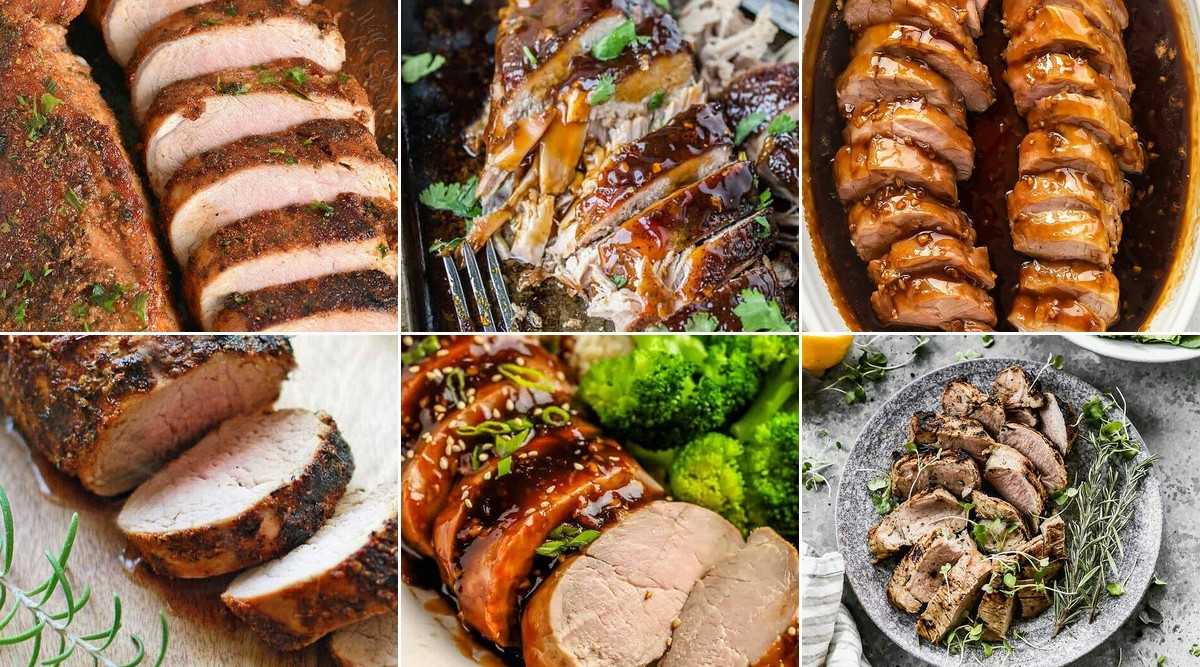
The culinary world is full of unsung heroes, and the pork tenderloin undoubtedly ranks high among them. Often overshadowed by larger cuts, this lean, mild, and incredibly versatile piece of meat is a weeknight dinner game-changer. From elegant roasts that impress guests to lightning-fast stir-fries that save your evenings, pork tenderloin offers a spectrum of possibilities that few other cuts can match. Its delicate flavor profile acts as a blank canvas, eagerly absorbing a wide array of seasonings, marinades, and sauces, making it a favorite for home cooks and chefs alike.
Whether you're new to cooking with pork tenderloin or a seasoned enthusiast looking for fresh inspiration, this comprehensive guide will unlock the secrets to mastering this tender, juicy, and quick-cooking cut. Get ready to transform your dinner routine with the remarkable versatility of pork tenderloin.
Why Pork Tenderloin is Your Weeknight Dinner Hero
In the quest for healthy, delicious, and efficient meals, pork tenderloin stands out. It’s not just its appealing taste and tender texture that make it a go-to; its nutritional profile and quick-cooking nature solidify its status as a kitchen champion.
Lean, Healthy, and Nutrient-Packed
One of the most surprising facts about pork tenderloin is its leanness. Many people associate pork with higher fat content, but the tenderloin defies this stereotype. In fact, it's pork tenderloin is actually leaner than most chicken thighs, boasting only about 3 grams of fat per 3.5-ounce serving, compared to chicken thigh's approximately 9 grams. This makes it an excellent choice for those mindful of their fat intake without sacrificing flavor.
Beyond its low fat content, pork tenderloin is a nutritional powerhouse. Its unique muscle structure makes it an exceptional source of selenium, a crucial trace mineral often overlooked. Selenium plays a vital role in thyroid function and acts as a powerful antioxidant, protecting your cells from damage. What’s more, studies indicate that selenium in pork tenderloin becomes more bioavailable—meaning your body can absorb and utilize it more effectively—when cooked at moderate temperatures, typically below 450°F. This makes controlling your cooking temperature not just about achieving a perfect texture, but also about maximizing the health benefits.
Unrivaled Versatility and Quick Cooking
The mild flavor of pork tenderloin is its secret weapon. It readily absorbs the flavors of rubs, marinades, and sauces, allowing you to venture from Mediterranean herbs to Asian-inspired spices with ease. This adaptability means a single cut can inspire countless meals, preventing culinary boredom.
Furthermore, pork tenderloin is inherently a quick-cooking cut. Many preparations, especially when roasted or pan-seared, can be on the table in under 30 minutes, making it ideal for busy weeknights. Its affordability also adds to its appeal, offering a gourmet experience without the gourmet price tag.
Mastering the Art of Tender Pork Tenderloin: Roasting & Baking
Achieving a perfectly tender and juicy pork tenderloin, whether roasted or baked, is simpler than you might think. The key lies in precise temperature control and understanding the lean nature of the meat to prevent overcooking.
The Perfect Baked Pork Tenderloin: A Game-Changer
For a consistently tender and juicy result, baking is a fantastic method. A tried-and-true approach involves a simple yet effective seasoning blend and a moderate oven temperature. Start by preheating your oven to 400°F (200°C). While some recipes suggest slightly higher temperatures, 400°F strikes a perfect balance, ensuring a beautifully browned exterior while preserving moisture and enhancing selenium bioavailability.
For seasoning, a blend of salt, black pepper, garlic powder, onion powder, dried thyme, and dried rosemary creates a robust base. A touch of mustard powder adds depth, while a dash of Worcestershire sauce and a pinch of brown sugar help develop a beautiful caramelized crust. Don't fret if you're missing an ingredient; dried herbs can substitute fresh at one-third the amount, and Worcestershire sauce can be swapped for a mix of soy sauce and a hint of sugar. The brown sugar, while contributing to browning, can also be reduced if you're watching your sugar intake.
Once seasoned, place your tenderloin on a baking sheet and roast for approximately 20-25 minutes. The most crucial tip here is to not overcook it. The lean nature of pork tenderloin means it can dry out quickly. Use an instant-read thermometer to check for an internal temperature of 145°F (63°C) in the thickest part. Once it reaches this, remove it from the oven, tent it loosely with foil, and let it rest for 5-10 minutes. This resting period is vital as it allows the juices to redistribute, ensuring every slice is succulent.
Grilling and Beyond
While baking is excellent for consistency, grilling offers another delicious dimension. For grilling, preheat your grill to medium-high. Sear the tenderloin directly over the flame for a few minutes per side to develop a crust, then move it to indirect heat to finish cooking until it reaches 145°F. This method imparts a wonderful smoky flavor.
For special occasions, consider stuffing your pork tenderloin. Create a pocket, fill it with a savory mixture of herbs, cheese, or dried fruits, then tie it and roast or grill as usual. This adds an extra layer of flavor and makes for an impressive presentation.
Beyond the Roast: Unleashing Tenderloin's Culinary Creativity
The beauty of pork tenderloin extends far beyond whole roasts. Its consistent texture and mild flavor make it an ideal candidate for various cuts and cooking methods, unlocking endless culinary possibilities.
Versatility in Every Slice
- Medallions: Sliced into 1-inch thick rounds, pork tenderloin medallions cook incredibly fast in a hot skillet. They're perfect for quick pan-searing and pair beautifully with creamy mushroom sauces, tangy lemon-caper reductions, or vibrant herb pestos. Their elegant shape makes them feel sophisticated without requiring extra effort.
- Cubed for Sautéing and Stews: Cut into bite-sized cubes, pork tenderloin transforms into an ideal ingredient for speedy sautés, vibrant stir-fries, or even lighter, quicker stews. The cubes cook evenly and quickly, ensuring your dish is ready in minutes. Think flavorful pork and veggie kebabs, or a hearty but fast pork ragu.
- Thinly Sliced for Stir-Fries and Fajitas: For dishes that demand ultra-fast cooking, thinly slicing the tenderloin is the way to go. Its lean meat cooks almost instantly, absorbing marinades and spices beautifully. This cut is perfect for sizzling stir-fries with an array of colorful vegetables, spicy fajitas, or even Vietnamese-style noodle bowls.
Regardless of the cut, the tenderloin's ability to take on diverse flavors remains its greatest asset. From a spicy Asian marinade with ginger and soy sauce to a smoky Southwestern rub or a fragrant herb crust, it's a true culinary chameleon.
Selecting and Storing Your Pork Tenderloin for Success
The foundation of any great dish starts with quality ingredients. Knowing how to select, trim, and store your pork tenderloin properly will ensure the best possible results every time.
Choosing the Best Cut
When selecting pork tenderloin, look for meat that is bright pink with minimal visible fat. It should feel firm to the touch but give slightly under gentle pressure. Avoid any packages with excessive liquid, dark spots, or a dull color, as these can indicate improper handling or that the meat was previously frozen and thawed poorly, which can compromise texture.
You can find high-quality pork tenderloin at specialty stores like Whole Foods, your local butcher, or even in bulk at warehouses like Costco. While some brands might offer pre-trimmed tenderloins, saving you time, even standard supermarket options work perfectly well for a delicious quick dinner, as long as they meet the visual and tactile criteria.
Trimming for Perfection
Most pork tenderloins come with a thin, silvery membrane on one side, known as the "silver skin." While not harmful to eat, silver skin is tough and doesn't render down during cooking, so it's best to remove it for the most tender result. To do this, slide a sharp knife just under one end of the silver skin, grasp it firmly, and carefully slice along the length of the membrane, keeping your knife angled slightly upwards to avoid removing too much meat.
Storage and Reheating Tips
Cooked pork tenderloin is remarkably freezer-friendly and reheats beautifully, making it an excellent candidate for meal prep. In the refrigerator, cooked tenderloin will stay fresh for 3-4 days in an airtight container. For longer storage, you can freeze cooked tenderloin for up to 3 months. Simply thaw it overnight in the refrigerator before reheating.
To reheat cooked pork tenderloin and maintain its moisture, slice it thin and warm it gently in the oven at 275°F (135°C) with a splash of broth or water. This low and slow method prevents it from drying out, ensuring it remains tender and juicy, almost as good as freshly cooked.
Conclusion
The pork tenderloin is a true culinary marvel – a lean, tender, and affordable cut that offers unparalleled versatility in the kitchen. From quick-fire weeknight dinners to more elaborate meals, its mild flavor and quick-cooking nature make it an ideal canvas for a world of flavors. By understanding how to select, prepare, and cook it correctly, you can consistently achieve deliciously juicy results that will elevate your meals. So, next time you’re planning your grocery list, remember the humble pork tenderloin and unleash its potential to create truly memorable dishes.
