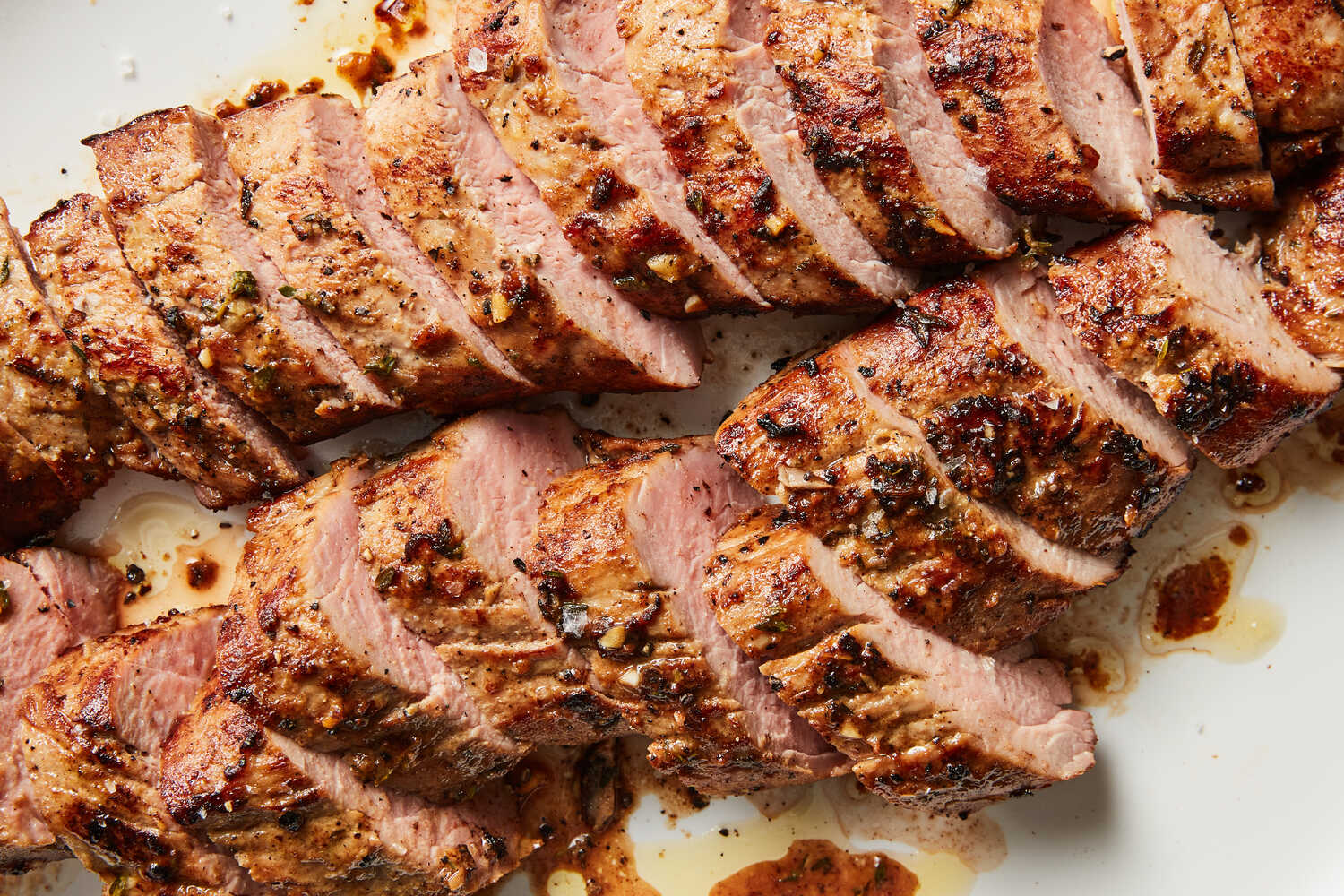
Pork Tenderloin: The Unsung Hero of Healthy Weeknight Dinners
Often overshadowed by its beefy counterpart or the ubiquitous chicken breast, pork tenderloin deserves a prime spot in your culinary repertoire. This remarkable cut of meat is not only delightfully tender and affordable but also boasts a surprising nutritional profile that makes it a true champion for health-conscious diners. Imagine a protein source that cooks up quickly, adapts to a myriad of flavors, and is, pound for pound, leaner than most chicken thighs, while simultaneously being packed with a vital trace mineral. That's the power of pork tenderloin.
Its mild flavor acts as a perfect canvas, ready to absorb everything from robust spice rubs to delicate herb marinades and creamy pan sauces. Whether you're planning a quick weeknight dinner or an impressive meal for guests, the versatility and ease of preparing pork tenderloin make it an indispensable ingredient. We're about to dive deep into why this cut is not just delicious, but also a nutritional powerhouse, especially when it comes to its exceptional selenium content.
Unlocking the Power of Selenium: A Nutritional Deep Dive
Beyond its impressive lean protein status—boasting roughly 3 grams of fat per 3.5-ounce serving, significantly less than the 9 grams typically found in chicken thighs—pork tenderloin truly shines in its rich selenium content. This often-overlooked trace mineral is absolutely crucial for your overall health, playing several critical roles in the body.
Selenium acts as a powerful antioxidant, tirelessly working to protect your cells from damage caused by free radicals. This protective action is fundamental for slowing down cellular aging and reducing the risk of chronic diseases. Furthermore, selenium is indispensable for proper thyroid function, aiding in the production and metabolism of thyroid hormones that regulate metabolism, energy levels, and even mood. It also supports a robust immune system, helping your body defend against infections and illnesses.
Here's where it gets truly fascinating for home cooks: the bioavailability of selenium in pork tenderloin is directly influenced by how you cook it. Research suggests that selenium becomes more readily absorbed by the body when cooked at moderate temperatures, such as the 400-425°F range. However, subjecting the meat to excessively high temperatures, specifically above 450°F, can actually cause this beneficial mineral to break down, diminishing its nutritional impact. This is a crucial insight that underscores the importance of precise temperature control, not just for tenderness, but for maximizing the health benefits of your meal. By mastering the right cooking techniques, you're not just creating a delicious dish; you're optimizing its nutrient delivery, ensuring your body reaps the full benefits of this incredible mineral.
Mastering the Art of Juicy Pork Tenderloin: Tips for Perfection
Achieving a perfectly tender and juicy pork tenderloin is simpler than you might think, though it does hinge on a few key techniques. Given its low fat content, this cut can dry out if overcooked, making precision your best friend in the kitchen.
Choosing the Best Tenderloin
The journey to a perfect meal starts with selection. Look for pork tenderloin that is bright pink in color, firm to the touch but with a slight give, and minimal visible fat or silver skin. Avoid any packages with excessive liquid or dark spots, as these can indicate improper thawing or handling, which compromises texture and flavor. While premium butchers and stores like Whole Foods are excellent sources, a good quality tenderloin can also be found at your regular supermarket or bulk stores like Costco. Opting for pre-trimmed tenderloins can be a time-saver, but learning to remove the silver skin (a thin, silvery membrane) yourself ensures maximum tenderness.
Essential Seasoning and Prep
Due to its mild flavor, pork tenderloin is a fantastic chameleon, taking on any seasoning profile you desire. A simple spice rub of salt, pepper, garlic powder, onion powder, and dried herbs like thyme or rosemary creates a classic, savory crust. For a deeper flavor, consider adding a touch of mustard powder, which adds an umami depth without a strong mustard taste. A dash of Worcestershire sauce can boost savoriness, or you can substitute it with a mix of soy sauce and a pinch of sugar if you're out. A little brown sugar in your rub helps achieve a beautiful caramelization and browning on the exterior. For those with more time, a marinade can infuse intense flavors and further tenderize the meat. Remember to pat the tenderloin dry before applying any rubs or searing, as this promotes a better crust.
The Golden Rules of Cooking
The cardinal rule for juicy pork tenderloin is simple: do not overcook it. Here’s how to achieve perfection:
- Internal Temperature is Key: The USDA recommends cooking pork to an internal temperature of 145°F (63°C) for medium-rare, followed by a 3-minute rest. A reliable meat thermometer is your most valuable tool here.
- Preheat Properly: For roasting, a hot oven (400-425°F / 200-220°C) is ideal for achieving a beautiful sear and ensuring quick cooking.
- Roast Time: Typically, a 1-1.5 pound pork tenderloin will roast for 20-25 minutes. If you notice the top browning too quickly, gently tent it with foil halfway through cooking to prevent dryness. This method is explored further in our guide to Easy Baked Pork Tenderloin: Tender, Juicy & Under 30 Mins.
- The Rest is Best: Once removed from the oven, allow the tenderloin to rest for at least 5-10 minutes, loosely tented with foil. This crucial step allows the juices to redistribute throughout the meat, ensuring every slice is incredibly moist and flavorful.
Versatile Cooking Methods
The adaptability of pork tenderloin extends to its cooking methods:
- Roasting: As detailed above, a hot oven delivers a succulent result.
- Grilling: Perfect for a smoky flavor, especially when marinated.
- Pan-Searing: Ideal for medallions or smaller pieces, quickly cooked on the stovetop.
- Stir-Frying: Sliced thin, it's a fantastic addition to quick Asian-inspired dishes.
- Stuffing: Create a pocket and fill with herbs, cheese, or vegetables before roasting.
For more detailed approaches to different preparations, check out our comprehensive guide: Versatile Pork Tenderloin: Master Tender Roasts to Quick Stir-Fries.
Beyond the Basics: Pairing, Storing, and Reheating Your Tenderloin
A perfectly cooked pork tenderloin is just the beginning. Its mild, inviting flavor makes it incredibly easy to pair with a wide array of side dishes and sauces.
Perfect Pairings
For a complete and satisfying meal, consider serving your pork tenderloin with:
- Roasted Vegetables: Carrots, asparagus, Brussels sprouts, or potatoes roast beautifully alongside the pork, often in the same oven.
- Creamy Mashed Potatoes: A classic comfort food pairing that complements the lean meat perfectly.
- Fresh Salads: A light, vibrant salad can cut through the richness and add a refreshing contrast.
- Fruit-Based Sauces: Think apple, fig, or cherry sauces, which enhance pork's natural sweetness.
- Grains: Quinoa, wild rice, or couscous offer healthy and absorbent bases for any pan juices.
Storing Leftovers Safely
One of the many benefits of pork tenderloin is that it reheats beautifully, making it excellent for meal prep. Cooked tenderloin can be stored in an airtight container in the refrigerator for 3-4 days. This makes it perfect for quick lunches or another effortless dinner later in the week.
Reheating Without Drying Out
To ensure your reheated pork tenderloin remains tender and juicy:
- Slice Thin: Cut the cooked tenderloin into thin slices before reheating. This allows for more even and quicker warming.
- Low and Slow in the Oven: Arrange the slices in a baking dish, add a splash of broth (chicken or vegetable) or water to create steam, and cover loosely with foil. Reheat in a preheated oven at a low temperature, around 275°F (135°C), until just warmed through. This gentle heat, combined with moisture, prevents the meat from drying out.
- Microwave (with caution): While possible, microwaving can easily overcook and dry out the meat. If you must, use short bursts on a lower power setting, again, with a bit of liquid.
Freezing for Future Meals
Cooked pork tenderloin also freezes exceptionally well, allowing you to stock up for even busier times. Wrap the cooked and cooled tenderloin (whole or sliced) tightly in plastic wrap, then place it in a freezer-safe bag or container. It can be frozen for up to 3 months. To use, simply thaw overnight in the refrigerator before reheating using the methods described above.
Conclusion
Pork tenderloin is truly a culinary gem, offering a rare combination of taste, convenience, and profound nutritional benefits. Its surprising leanness, superior selenium content, and incredible versatility make it an ideal choice for anyone seeking delicious, healthy, and quick weeknight meals. By understanding how to select, prepare, and cook this exceptional cut, you can consistently deliver a tender, juicy, and flavor-packed experience that nourishes your body from the inside out. Embrace the power of pork tenderloin – your taste buds and your health will thank you.
